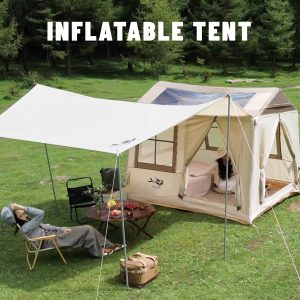



Do Inflatable Tents Puncture Easily? The Truth About Air Tent Durability

One of the first questions people ask when they see an inflatable tent is surprisingly simple:
“What happens if it gets a puncture?”
It’s a fair concern.
After all, when most people hear the word inflatable, they immediately think of air mattresses, pool toys, or inflatable boats. The idea of relying on air beams instead of traditional tent poles can feel risky—especially when you’re camping miles away from home.
But here’s the reality:
Modern #inflatable tents are much tougher than most campers expect.
In fact, many experienced outdoor enthusiasts who were initially skeptical now use inflatable tents regularly because of their durability, convenience, and weather resistance.
Let’s take a closer look at how inflatable tents are built and whether punctures are really something you should worry about.
Why Inflatable Tents Are Stronger Than They Look
At first glance, inflatable tents seem fragile.
The truth is that the air beams used in modern camping tents are nothing like the inflatable products you use at the beach.
Most premium inflatable tents are built using:
✔ Reinforced TPU air tubes
✔ Multiple protective fabric layers
✔ Heavy-duty inflation valves
✔ High-pressure structural systems
These materials are specifically engineered for outdoor use and designed to withstand repeated setup, strong winds, changing temperatures, and rough camping conditions.
The air beams are often protected by thick outer sleeves, meaning sharp objects usually need to penetrate several layers before reaching the inflatable structure itself.
What Actually Causes Punctures?
While punctures can happen, they are rarely caused by normal camping use.
Most damage occurs because of preventable mistakes.
Common causes include:
Camping on Poor Ground
Setting up directly on sharp rocks, thorn bushes, broken branches, or debris can increase the risk of damage.
A quick five-minute campsite inspection can prevent most problems.
Careless Packing and Storage
Throwing heavy tools into the tent bag, storing the tent while dirty, or dragging it across rough surfaces can gradually wear down materials.
Like any outdoor gear, inflatable tents last longer when properly cared for.
Accidental Damage
Knives, axes, fishing hooks, and other sharp equipment are far more likely to cause punctures than normal camping conditions.
What Happens If a Puncture Does Occur?
This is where many people imagine disaster.
In reality, most punctures are small and manageable.
Many #inflatable tents include repair kits that allow campers to patch minor damage quickly.
Unlike a broken tent pole—which can sometimes end a camping trip entirely—a small puncture is often a straightforward repair.
Some inflatable tent designs even use independent air chambers, meaning a single damaged section won’t necessarily affect the entire structure.
Are Inflatable Tents More Reliable Than Pole Tents?
Surprisingly, many campers argue that inflatable tents are actually more forgiving.
Traditional tent poles can:
❌ Bend permanently
❌ Crack under stress
❌ Snap during storms
❌ Become difficult to replace in remote locations
Air beams behave differently.
Instead of breaking under pressure, they flex and absorb force.
This flexibility is one reason inflatable tents perform so well in windy conditions.
Many campers who have experienced broken poles during storms appreciate the resilience of air beam systems.
How to Prevent Punctures
The good news is that avoiding punctures is relatively easy.
Experienced campers follow a few simple habits:
✔ Use a groundsheet or footprint
✔ Remove sharp objects before setup
✔ Avoid dragging the tent
✔ Store the tent clean and dry
✔ Inspect air beams periodically
These small steps can add years to your tent’s lifespan.
What Do Real Campers Say?
One reason inflatable tents continue to grow in popularity is that real-world experiences are often far better than people expect.
Many first-time buyers worry about punctures before purchasing.
After several camping trips, however, the concern usually disappears.
Instead, campers often focus on the benefits:
✔ Fast setup
✔ Spacious interiors
✔ Excellent stability
✔ Comfortable family camping
✔ Easy transportation
For many users, puncture concerns become one of those things they worried about before owning an inflatable tent—but rarely think about afterward.
Are Inflatable Tents Worth It?
If you’re avoiding inflatable tents solely because you’re worried about punctures, you’re probably overestimating the risk.
Modern air tent technology has evolved dramatically over the last decade.
Today’s premium inflatable tents are designed for real outdoor use, including:
✔ Family camping
✔ Beach camping
✔ Mountain adventures
✔ Long road trips
✔ Multi-day outdoor expeditions
A reputable #tent store or #tent shop can help you choose a model built for your camping style and expected weather conditions.
Final Thoughts
So, do inflatable tents puncture easily?
For most campers, the answer is no.
Modern inflatable tents are built with durable materials, reinforced air beam systems, and repair-friendly designs that make punctures relatively uncommon. While no camping equipment is completely immune to damage, inflatable tents are far tougher than their appearance suggests.
In fact, many campers discover that the biggest surprise isn’t how fragile inflatable tents are—it’s how incredibly strong they actually are.
#camping #camping tents #inflatable tents #do inflatable tents puncture easily #air tent #tent store #tent shop #camping gear #outdoor camping gear #family camping #waterproof tent #glamping tent #camping tips #inflatable tent durability