






Camping Trends Among Millennials: Why a New Generation Is Redefining the Outdoors
If you talk to campground owners or outdoor gear brands today, you’ll hear the same observation again and again:
younger campers are changing everything.
Millennials aren’t just camping more often—they’re camping differently.
The priorities have shifted. The expectations have changed. Even the way trips are planned feels completely new compared to older generations.
And it’s reshaping the entire outdoor industry.
Camping Isn’t About “Roughing It” Anymore
For many millennials, camping isn’t about proving toughness or surviving without comfort.
That older mindset—sleeping on the ground, minimal gear, bare essentials—isn’t the goal anymore.
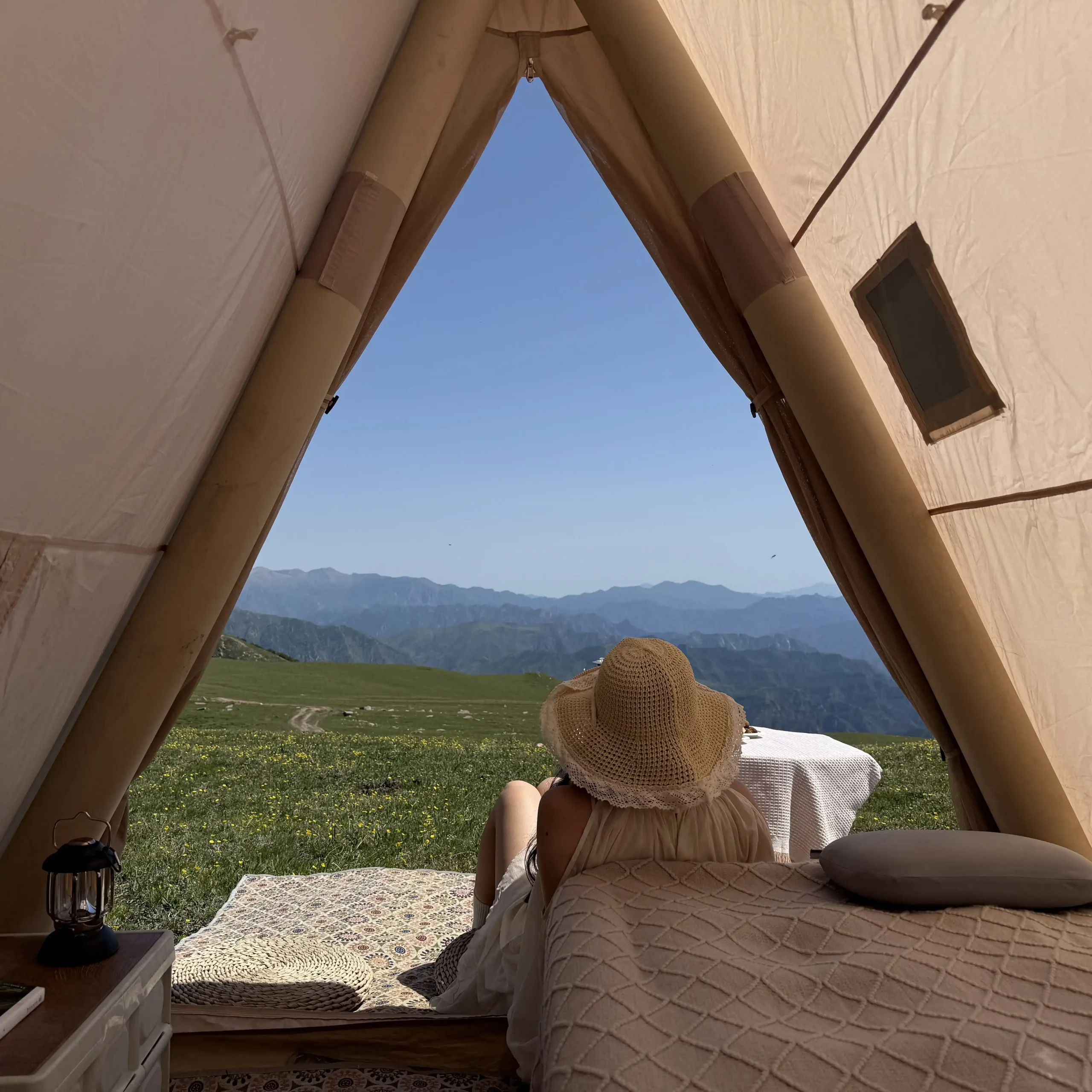
Instead, camping is becoming a mix of comfort and experience.
People still want nature, fresh air, and simplicity.
But they also want a good night’s sleep, easy setup, and gear that doesn’t turn the trip into a project.
That balance is defining modern camping culture.
Convenience Matters More Than Ever
One of the clearest shifts is how much value is placed on convenience.
After working all week, most people don’t want a complicated setup when they arrive at a campsite.
They want something that works quickly and predictably.
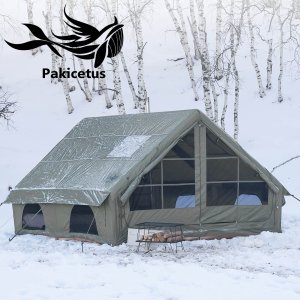
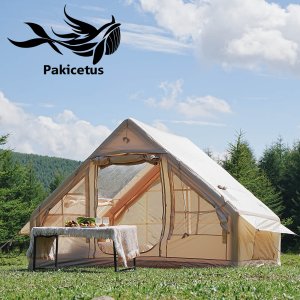
That’s one reason products like #inflatable tents are gaining traction among younger campers—they reduce friction and make the whole experience feel smoother from the start.
Less time building camp.
More time actually enjoying it.
Social Media Quietly Shapes Camping Behavior
It’s impossible to ignore.
Instagram, TikTok, and YouTube have changed how people discover camping.
A campsite is no longer just a place to stay.
It’s also part of the experience people share.
That doesn’t mean camping has become “performative,” but it does mean aesthetics matter more than they used to.
Clean setups, scenic locations, and well-designed gear tend to influence decisions more than technical specifications alone.
Weekend Trips Are the New Long Vacation
Millennial camping behavior is also shaped by time.
Instead of long annual vacations, many people now take shorter, more frequent trips.
A Friday night departure. A Sunday return. Sometimes even just one night outdoors.
This shift makes quick setup gear especially important.
Nobody wants to spend half their weekend assembling equipment.
Comfort Is No Longer Optional
There’s a clear difference between how older generations and millennials approach camping comfort.
For many younger campers, comfort isn’t a luxury—it’s expected.
That includes:
- Better sleeping setups
- More interior space
- Reliable weather protection
- Easy organization
- Simple packing and unpacking
Camping is still outdoors, but it doesn’t need to feel uncomfortable anymore.
Travel Style Is Becoming More Flexible
Another big trend is flexibility.
Millennials are less likely to stick to rigid travel plans.
Instead, they prefer open-ended trips—especially road trips where destinations can change along the way.
Camping fits perfectly into that style.
You’re not locked into hotels or fixed schedules. You can stay longer if a place feels right or move on immediately.
That freedom is a major reason camping continues to grow in this group.
Final Thoughts
Camping among millennials isn’t just increasing—it’s evolving.
It’s less about tradition and more about lifestyle.
Less about hardship and more about experience.
And as gear becomes easier to use and travel becomes more flexible, this generation is likely to keep shaping how camping looks in the years ahead.
What hasn’t changed is the core appeal:
getting outside, slowing down, and stepping away from daily noise.
That part still works exactly the same.
#camping trends among millennials #millennial camping #outdoor lifestyle #camping statistics #inflatable tents #family camping #road trip camping #camping gear #glamping trends #overlanding #outdoor recreation #camping industry trends