
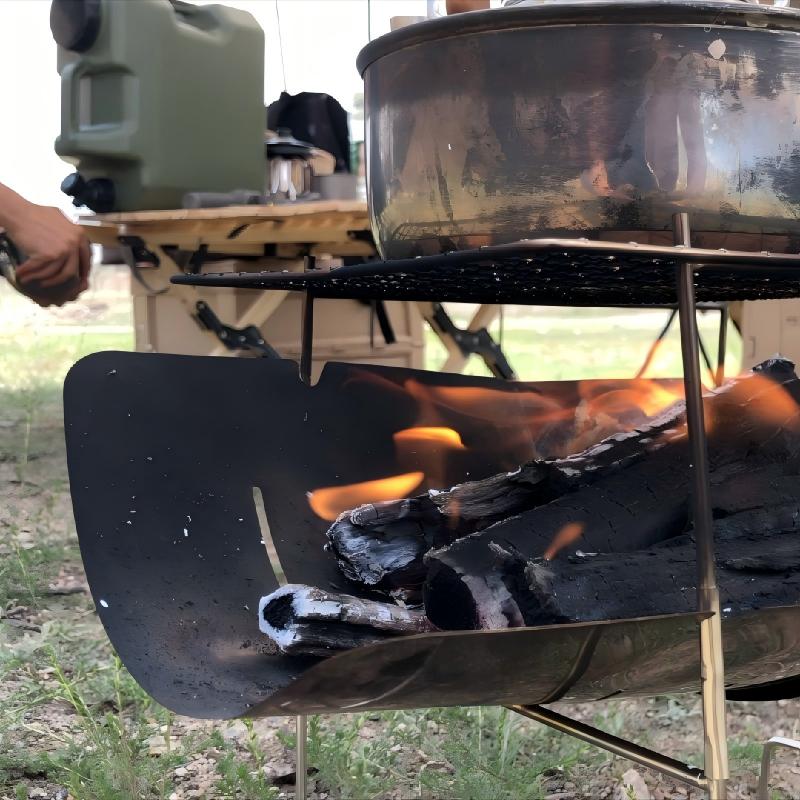
Camping & Wilderness Survival Guide | Outdoor Safety Skills & Practical Tips
Camping and wilderness survival is a fun and challenging outdoor activity. Mastering key survival skills can help you enjoy nature more safely, comfortably, and confidently in real environments using #camping tents, #inflatable tents, and lightweight expedition setups.
Whether you are exploring forests, mountains, or deserts, proper preparation is the foundation of every successful #camping experience.
Pre-Trip Preparation | Essential Planning Checklist
Before departure, always prepare systematically:
✔ Understand the environment
Research climate, terrain, wildlife, and water sources. Check whether natural water is available or if you must carry purified water.
✔ Essential gear list
- Tent (weather-rated from a reliable #tent store or #tent shop)
- Sleeping bag (temperature-rated selection)
- Moisture-proof mat
- Headlamp / flashlight
- Lighter or magnesium fire starter
- Multi-function knife
- First aid kit
- Map & compass (even if using GPS)
✔ Extended survival tools
- Portable water purifier
- Solar power bank
- Emergency whistle
- Emergency blanket
- Rope system
✔ Clothing principle
Layered clothing system:
- Quick-dry base layer
- Insulating middle layer
- Windproof & waterproof outer layer
Avoid cotton materials, as they retain moisture and dry slowly.
Campsite Selection & Tent Setup Strategy
Choosing the right campsite is critical for survival safety.
✔ Safe location principles:
- Avoid cliffs and unstable slopes
- Stay away from river valleys (flash flood risk)
- Avoid dead trees (falling hazard)
- Avoid animal trails and droppings
- Choose flat or slightly inclined ground for drainage
- Prefer leeward areas for wind protection
✔ Tent setup tips:
- Lay a ground tarp before pitching #camping tents
- Secure wind ropes with stones or stakes
- Position tent entrance away from strong wind direction
- Keep tent opening slightly downhill to prevent rainwater entry
These principles are especially important when using #pop up tents or lightweight outdoor shelters.
Water & Food Survival System
✔ Water treatment:
- Flowing water is safer than stagnant water
- Boil water for at least 1 minute (3 minutes at high altitude)
- If no purifier is available:
- Filter through cloth
- Use purification tablets
- Or apply solar distillation methods
✔ Food storage:
- Seal and hang food away from campsite (animal protection)
- Store in waterproof containers when possible
✔ Simple outdoor food options:
- Dehydrated meals
- Energy bars
- Safe wild edibles (only 100% confirmed non-toxic plants like blackberries or dandelion leaves)
Fire-Making Techniques & Safety
✔ Fire location:
- Keep away from tents
- Clear dry leaves and flammable materials
- Surround with stones for containment
✔ Tinder materials:
- Pine needles
- Birch bark
- Dry mushrooms
- Fine branches as ignition material
✔ Ignition methods:
- Lighter or magnesium rod
- Battery + foil emergency short-circuit method (advanced survival skill)
✔ Fire safety:
Always fully extinguish fire—stir ashes and confirm no heat remains.
Emergency & Wildlife Safety
✔ Wildlife prevention:
- Use bear-proof containers in high-risk areas
- Do not approach wild animals
- Slowly retreat if encountering bears
- Use sticks to alert snakes when walking through grass areas
✔ SOS signaling:
- 3 short + 3 long + 3 short (international SOS)
- Mirror reflection signals
- Large “SOS” marked with stones or branches
Environmental Protection (LNT Principle)
Follow Leave No Trace ethics:
- Take all trash away, including food scraps
- Wash at least 60m away from water sources
- Use biodegradable soap
- Avoid damaging vegetation
- Use existing campsites when possible
Responsible camping ensures sustainable outdoor ecosystems.
Practical Camping Tips
✔ Stay warm at night:
- Drink warm beverages before sleep
- Place insulated bottle inside sleeping bag (wrap for safety)
✔ Moisture control:
- Use silica gel packs inside tents
- Place newspaper inside shoes for drying
✔ Natural navigation:
- Use watch + sun method to determine direction (Northern Hemisphere)
Final Advice
For beginners, it is strongly recommended to start with short-distance camping or follow experienced outdoor guides.
Safety always comes first—true wilderness enjoyment comes from preparation, awareness, and respect for nature.
#camping #camping tents #inflatable tents #pop up tents #tent store #tent shop #outdoor camping gear #survival camping #backpacking tents #camping safety #adventure camping #outdoor lifestyle