






Why Camping Is Good for Mental Health: What Happens When You Finally Disconnect

Most people don’t go camping because they’re thinking about mental health.
They go because they need a break.
A break from work.
A break from notifications.
A break from constantly feeling like there’s something else they should be doing.
What many campers discover, however, is that a weekend outdoors often leaves them feeling better in ways they didn’t expect.
Less stressed.
More relaxed.
More present.
And while camping isn’t a cure for life’s challenges, it can offer something that has become surprisingly rare in modern life: space to breathe.
Modern Life Keeps Our Minds Busy
Think about a typical day.
Most of us wake up and immediately check our phones.
Emails, messages, news, social media, work notifications—before we’ve even had breakfast, our attention is already being pulled in multiple directions.
By the end of the day, many people feel mentally exhausted despite barely leaving their desk.
Camping changes that environment completely.
Instead of staring at screens, you’re watching a sunrise.
Instead of listening to traffic, you’re hearing wind in the trees.
The change seems simple, but the effect can feel significant.
Nature Has a Way of Slowing Things Down
One of the first things people notice when camping is how quickly their pace changes.
There are still things to do.
You set up camp.
Cook meals.
Explore nearby trails.
But none of it feels rushed.
Without constant interruptions, even simple tasks become enjoyable.
Making coffee in the morning feels different when you’re sitting outside watching the day begin.
It’s a small experience, but it’s often enough to help quiet a busy mind.
Better Sleep Is Part of the Equation
Many campers report sleeping better outdoors.
Part of that comes from spending more time moving throughout the day.
Part of it comes from reduced screen exposure in the evening.
And part of it may simply be the natural rhythm of being outside.
When you wake up feeling rested, everything tends to feel a little easier.
Camping Encourages Real Connection
Mental health isn’t only about reducing stress.
It’s also about connection.
Camping naturally creates opportunities to spend quality time with family, friends, or even yourself.
Conversations tend to last longer around a campfire.
People pay more attention to each other.
And without endless digital distractions, those moments often feel more meaningful.
Why So Many People Keep Coming Back
Ask experienced campers why they continue camping year after year, and you’ll hear plenty of practical answers.
They enjoy the scenery.
They enjoy adventure.
They enjoy travel.
But beneath all of those reasons is something simpler.
Camping makes them feel better.
Not because it’s perfect.
Not because it’s luxurious.
But because it creates a temporary pause from everyday pressures.
Comfortable Camping Makes It Easier
For many newcomers, comfort plays an important role.
Modern gear has made camping more accessible than ever before.
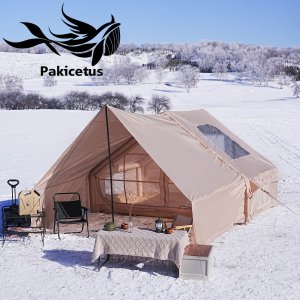
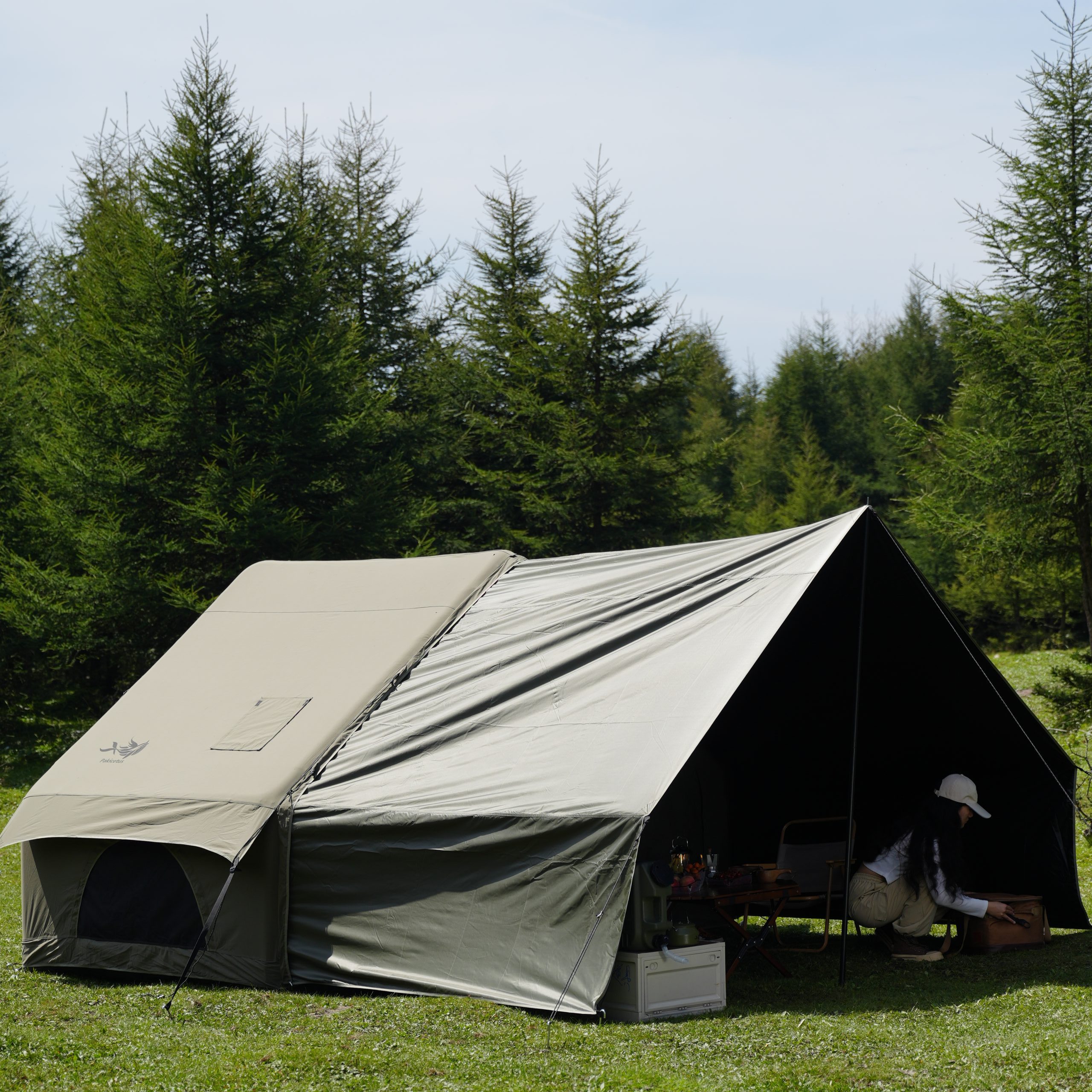
Spacious shelters, better sleeping systems, and easy-to-use #inflatable tents help people focus less on setup and more on enjoying their surroundings.
When camping feels approachable, it’s easier to experience the mental benefits that come with spending time outdoors.
Final Thoughts
Why is camping good for mental health?
Because it gives people something many feel they’re missing: time, space, and simplicity.
A few days outdoors won’t solve every problem.
But stepping away from constant noise, reconnecting with nature, and slowing down for a while can have a surprisingly positive effect on how we feel.
Sometimes the best thing you can do for your mind is simply spend a little more time outside.
#why camping is good for mental health #mental health benefits of camping #camping lifestyle #outdoor wellness #camping tents #inflatable tents #nature and mental health #family camping #camping benefits #outdoor recreation #camping gear #stress relief #camping tips