







Camping Bedding Guide: How to Sleep Comfortably Outdoors
Ask experienced campers what makes the biggest difference on a camping trip, and many won’t mention the tent.
They’ll mention sleep.
Because no matter how beautiful the campsite is, everything feels harder after a restless night.
The good news is that sleeping comfortably outdoors isn’t about luck.
It’s about choosing the right bedding for the conditions and creating a sleeping space that works for you.
Start From the Ground Up
A comfortable night’s sleep begins before you even unroll your sleeping bag.
The ground beneath you affects both comfort and warmth.
Many campers use sleeping pads or inflatable mattresses to create insulation between themselves and the cold ground.
Even on mild nights, this extra layer can make a noticeable difference.
A supportive base also helps you wake up feeling rested instead of stiff.
Choose the Right Sleeping Bag
Not every sleeping bag is suitable for every season.
A lightweight bag may be perfect for summer but leave you cold during autumn camping.
Before each trip, check the expected overnight temperatures and choose a sleeping bag designed for those conditions.
It’s usually better to have slightly more warmth than not enough.
If temperatures rise, you can always unzip the bag for extra ventilation.
Don’t Forget a Real Pillow
Many beginners use rolled-up jackets as pillows.
It works—but only if you’re comfortable sacrificing sleep.
A compact camping pillow or even your pillow from home can dramatically improve sleep quality.
Sometimes one small item makes the biggest difference.
Layers Are Better Than One Thick Blanket
Weather can change quickly overnight.
Instead of relying on a single heavy blanket, bring a few lighter layers.
This gives you flexibility if temperatures drop or rise during the night.
It also makes it easier for children to stay comfortable without overheating.
Create a Cozy Sleeping Environment
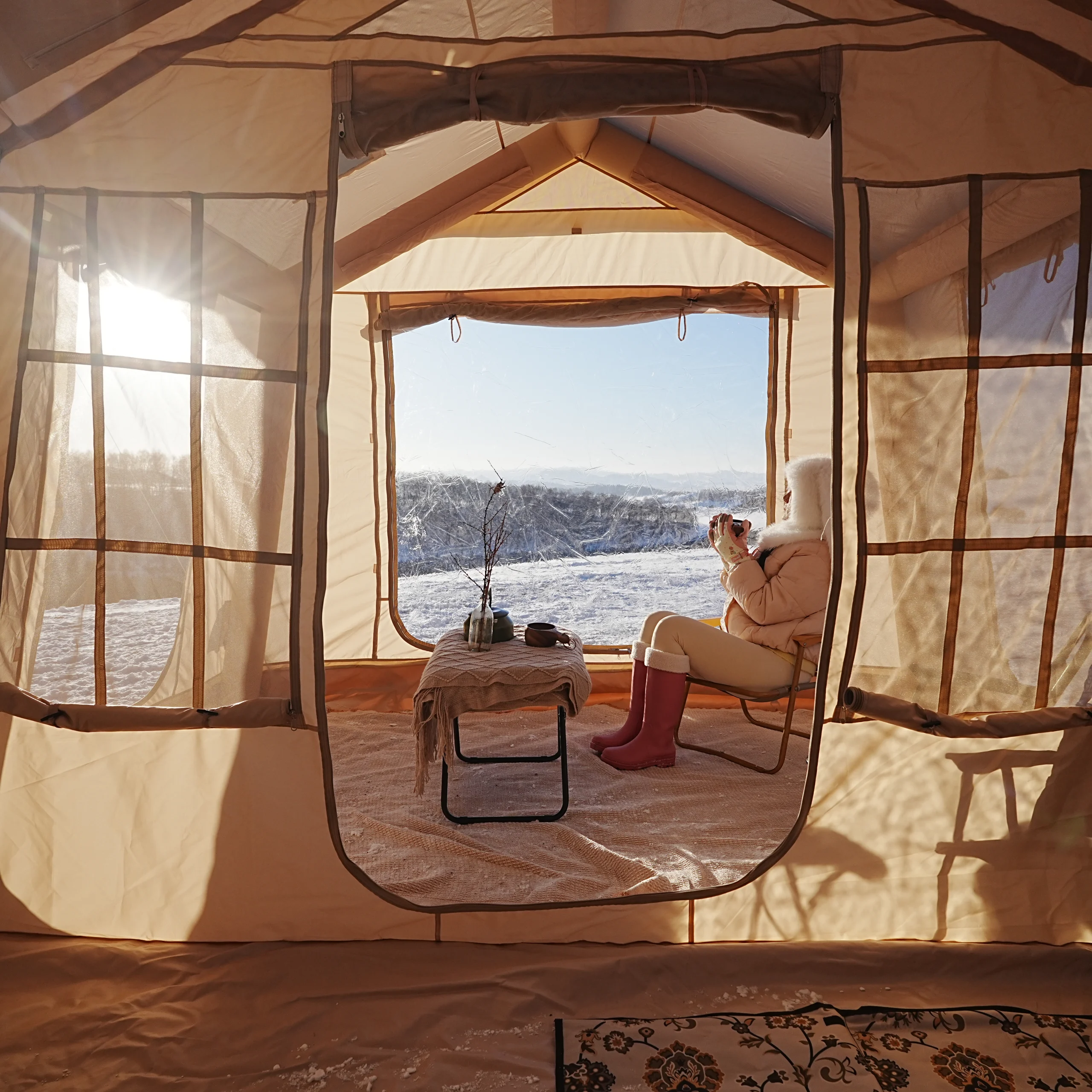
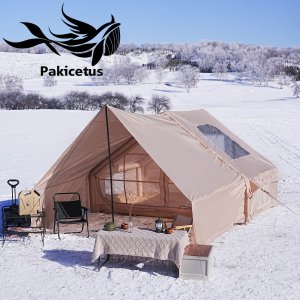
Modern #inflatable tents often provide generous interior space, allowing you to arrange bedding much like you would at home.
A soft rug beside the bed.
A warm blanket folded at the foot of the mattress.
A small lantern for evening reading.
These simple touches make the tent feel welcoming after a long day outdoors.
Comfort isn’t just about the mattress—it’s about the atmosphere.
Keep Bedding Dry
Even the best bedding loses its comfort when it gets damp.
Store spare blankets and sleeping bags in waterproof bags if rain is expected.
Make sure your tent is well ventilated to reduce condensation, especially during cooler nights.
Dry bedding is warm bedding.
Every Camper Sleeps Differently
Some people enjoy firm sleeping pads.
Others prefer thick air mattresses.
Some like sleeping bags.
Others bring sheets and blankets instead.
The best camping bedding setup is the one that helps you wake up refreshed and ready for another day outside.
Don’t be afraid to adjust your system after each trip.
Final Thoughts
A good camping bedding guide isn’t about recreating your bedroom in the wilderness.
It’s about finding the right balance between comfort, warmth, and practicality.
With the right bedding, you’ll sleep better, wake up happier, and enjoy every part of your camping adventure even more.
Sometimes the best day outdoors starts with a great night’s sleep.
#camping bedding guide #camping sleeping gear #camping bedding #sleeping bag guide #inflatable tents #camping tents #family camping #camping mattress #camping comfort #camping gear #camping tips #outdoor sleeping #camping checklist