







Leave No Trace Camping Guide: How to Protect the Outdoors You Love
A perfect campsite doesn’t look like someone was there.
No leftover trash.
No damaged plants.
No signs of unnecessary impact.
Just a beautiful natural place waiting for the next person to enjoy.
That’s the idea behind Leave No Trace camping.
It isn’t about making camping difficult.
It’s about understanding that every visitor leaves some kind of impact—and responsible campers work to make that impact as small as possible.
What Does Leave No Trace Mean?
Leave No Trace is a simple approach to outdoor recreation.
The goal is to enjoy nature while minimizing damage.
It encourages campers to:
- Plan ahead
- Respect natural areas
- Dispose of waste properly
- Protect wildlife
- Leave campsites as they were found
These principles help keep outdoor spaces healthy and accessible.
Plan Before Your Trip
Responsible camping starts before you arrive.
Research your destination.
Understand local rules.
Check weather conditions.
Know whether fires, pets, or specific activities are allowed.
Planning reduces unexpected problems and helps you choose the right equipment.
A well-prepared camper usually creates less impact because they are less likely to make poor decisions during the trip.
Camp on Durable Surfaces
Where you place your tent matters.
Whenever possible, use established campsites or durable surfaces designed for camping.
Avoid damaging fragile plants or creating new camping areas.
A single campsite may seem harmless, but repeated impact from many visitors can permanently change an area.
Choosing the right location is one of the easiest ways to protect nature.
Dispose of Waste Properly
The basic rule is simple:
Pack it in, pack it out.
Everything you bring into nature should leave with you.
This includes:
- Food packaging
- Plastic items
- Disposable products
- Small pieces of trash
Even tiny pieces of waste can affect wildlife and the environment.
A clean campsite is the responsibility of every camper.
Leave Natural Objects Where They Are
It can be tempting to take home a beautiful rock, plant, or piece of wood as a souvenir.
But natural objects play an important role in ecosystems.
Instead of collecting memories from nature, take photos.
The best souvenirs are the experiences you bring home.
Respect Wildlife
Wild animals should never become dependent on visitors.
Avoid feeding them, approaching too closely, or disturbing their habitats.
Store food securely and keep your campsite clean.
Respecting wildlife allows future campers to enjoy the same natural experiences.
Use Camping Gear Responsibly
Good equipment can actually support Leave No Trace principles.
Durable gear lasts longer and reduces waste.
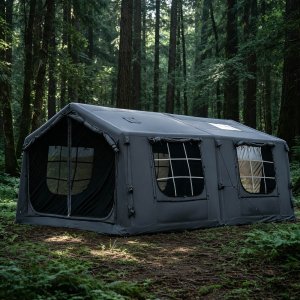
A reliable shelter, such as a quality #inflatable tent, helps campers stay comfortable while minimizing the need for disposable solutions.
Taking care of your equipment also means fewer items end up in landfills.
Be Considerate of Other Campers
Nature is a shared space.
Keep noise levels reasonable.
Respect quiet hours.
Avoid taking over areas beyond your campsite.
The outdoor experience is better when everyone considers the people around them.
Leave Your Campsite Better Than You Found It
Many experienced campers follow a simple habit:
Before leaving, look around one final time.
Check the ground.
Collect any forgotten items.
Remove all trash.
If you find small pieces of litter left behind by others, consider picking them up too.
Small actions from individual campers create a huge difference over time.
Final Thoughts
Leave No Trace camping is not about limiting your adventure.
It’s about making sure the places we love remain beautiful.
The mountains, forests, lakes, and beaches we explore today should still be there for future generations.
A responsible camper doesn’t just visit nature.
They help protect it.
#leave no trace camping guide #leave no trace camping #responsible camping #sustainable camping #eco friendly camping #camping ethics #inflatable tents #camping gear #outdoor recreation #family camping #camping tips #nature conservation