







Camping in Thunderstorms: How to Stay Safe When Weather Changes Outdoors
Few things remind you how powerful nature can be more than a thunderstorm at a campsite.
The wind picks up.
The trees begin moving.
The sound of rain hitting your tent becomes louder every minute.
For many campers, storms are one of the most stressful outdoor situations.
But with the right preparation and knowledge, camping during a thunderstorm doesn’t have to become a dangerous experience.
The key is understanding what to do before, during, and after severe weather arrives.
Check Weather Conditions Before Camping
The safest way to handle thunderstorms is to prepare before they happen.
Before your trip:
- Check local forecasts
- Monitor storm alerts
- Understand seasonal weather patterns
- Have a backup plan
If severe storms are predicted, consider changing your schedule or choosing another location.
Good decision-making before the trip is often the most important safety step.
Choose a Safer Campsite Location
Where you place your tent matters even more when storms are possible.
Avoid camping:
- Under damaged or unstable trees
- In low areas where water may collect
- Near exposed high points
- Close to riverbanks during heavy rain
Look for stable ground with natural protection while maintaining good drainage.
A comfortable campsite should also be a safe one.
Understand Tent Safety During Storms
A tent provides shelter from rain and wind, but it is not a substitute for a solid building during severe weather.
If a storm becomes intense, especially with strong lightning activity, moving to a safer enclosed location is the best option when available.
For regular rain and moderate weather, a properly set-up tent with good waterproofing can keep campers comfortable.
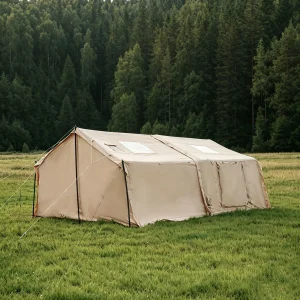
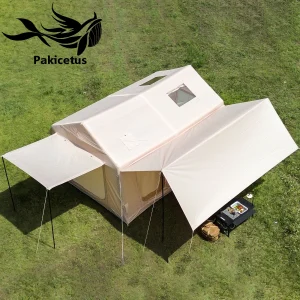
Many modern #inflatable tents are designed with strong structures and weather-resistant materials, making them popular for campers who want reliable shelter in changing conditions.
Secure Your Camping Equipment
Strong winds can quickly turn loose items into hazards.
Before storms arrive:
- Secure tent lines
- Store lightweight gear
- Close tent doors properly
- Move important items away from water
Camping chairs, cooking equipment, and loose accessories should be stored or secured.
A few minutes of preparation can prevent unnecessary damage.
Stay Dry and Manage Condensation
Rainy weather creates another common camping challenge: moisture.
To stay comfortable:
- Keep wet clothing separated
- Improve tent ventilation
- Use waterproof storage bags
- Dry equipment when possible
A well-organized tent stays much more comfortable during long periods of rain.
Avoid Risky Activities During Storms
When thunderstorms arrive, it’s best to pause outdoor activities.
Avoid:
- Hiking on exposed trails
- Swimming
- Standing near tall isolated trees
- Using exposed equipment during lightning
Wait until conditions improve before continuing your adventure.
Nature will still be there when the storm passes.
Keep Emergency Supplies Ready
Storms can create unexpected situations.
Keep important items accessible:
- Flashlights
- Extra batteries
- Power banks
- Rain jackets
- Emergency food
- First aid supplies
During bad weather, searching through packed gear becomes much harder.
Make Rainy Camping More Enjoyable
Storms don’t always have to ruin a camping trip.
Rain can create some memorable moments:
Reading inside your tent.
Playing games with family.
Listening to rainfall.
Enjoying a slower pace.
A comfortable tent setup can turn an unexpected weather day into a relaxing part of the adventure.
Know When to Leave
Experienced campers understand that changing plans is sometimes the smartest choice.
If conditions become unsafe, leaving early is not failure.
It is responsible outdoor decision-making.
The best camping memories come from knowing when to continue—and when to return another day.
Final Thoughts
Camping in thunderstorms requires preparation, awareness, and respect for nature.
Weather is part of the outdoor experience.
You cannot control it, but you can control how you respond.
With proper planning, reliable equipment, and good judgment, you can stay safer and enjoy more confident camping adventures.
#camping in thunderstorms #thunderstorm camping safety #camping weather tips #rain camping #storm camping guide #inflatable tents #camping tents #outdoor safety #family camping #camping preparation #camping gear #weather camping tips