







Eco Friendly Camping Tips: How to Enjoy Nature While Protecting It
One of the best things about camping is the feeling of being connected with nature.
The quiet mornings.
The fresh air.
The sound of trees moving in the wind.
The beauty of the outdoors is exactly why so many people love camping.
But as more people discover outdoor adventures, protecting these natural spaces becomes increasingly important.
Eco-friendly camping isn’t about making your trip complicated.
It’s about making small choices that help preserve the places we enjoy.
Choose Gear That Lasts Longer
One of the simplest ways to make camping more sustainable is choosing durable equipment.
Cheap gear may seem convenient at first, but products that break quickly often create more waste over time.
Investing in quality camping equipment means:
- Less replacement
- Less waste
- Better performance
- More enjoyable trips
A well-made tent, sleeping system, or camping accessory can accompany you on many adventures for years.
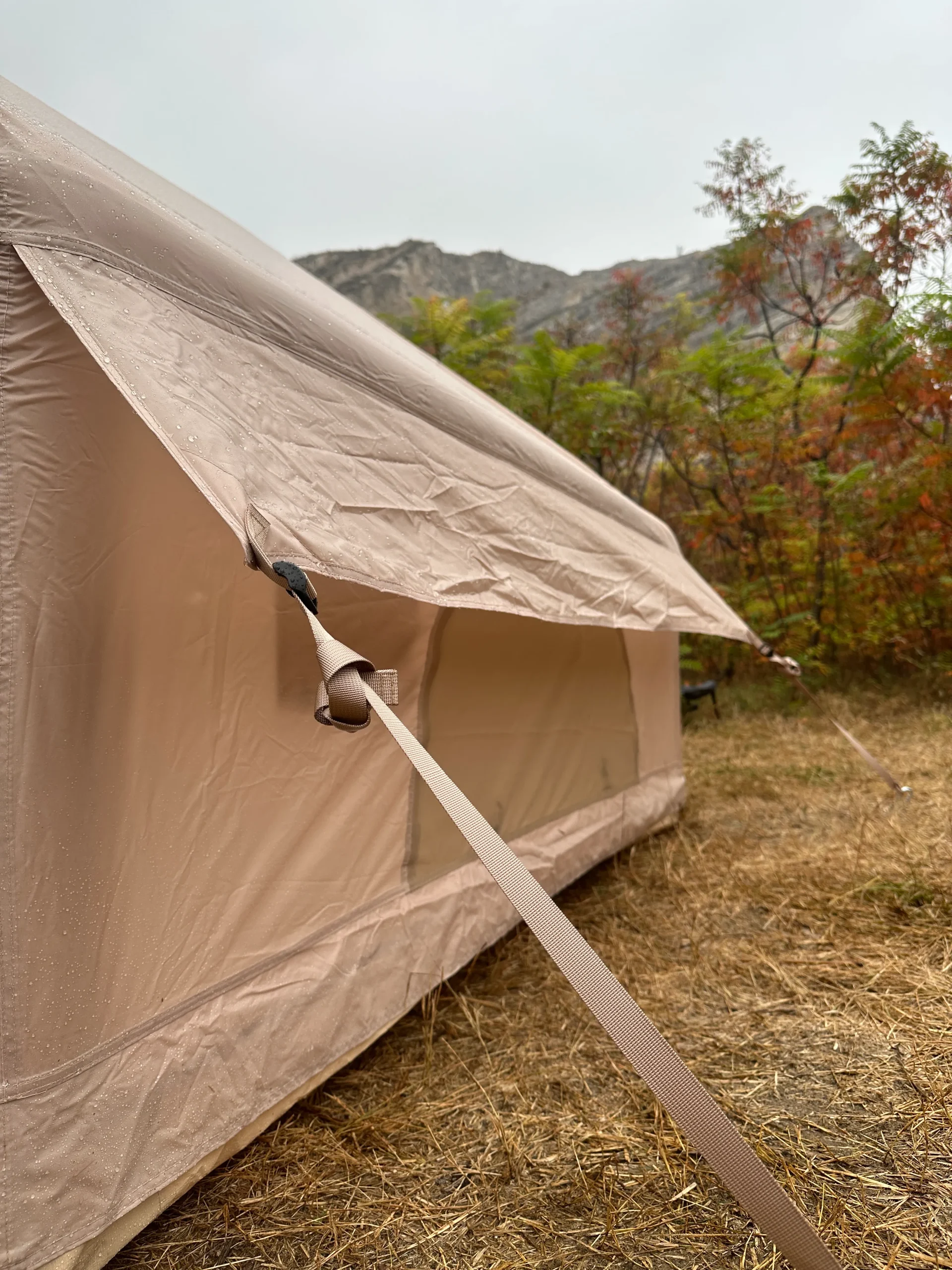
For frequent campers, durable shelters like #inflatable tents can be a practical choice because they are designed for repeated outdoor use while providing comfort and reliability.
Pack Only What You Need
Overpacking doesn’t just make camping harder.
It can also create unnecessary waste.
Before every trip, think carefully about what you actually use.
Bring reusable items instead of disposable ones whenever possible.
Examples include:
- Reusable water bottles
- Cloth towels
- Refillable containers
- Reusable cooking supplies
A lighter campsite is often a cleaner and more enjoyable campsite.
Reduce Single-Use Products
Small changes can have a big impact.
Instead of buying disposable plates, cups, and utensils for every trip, consider reusable alternatives.
A simple camping kitchen setup can last for many seasons.
Reusable gear also becomes part of your camping routine, making future trips easier to prepare.
Be Careful With Food and Waste
Food planning is an important part of sustainable camping.
Prepare meals carefully to avoid unnecessary waste.
Store food properly.
Bring reusable storage containers.
Pack out everything you bring in.
A clean campsite is not only better for nature—it also creates a safer environment for wildlife and other campers.
Use Energy Responsibly
Many modern campers use portable electronics, lights, and power stations.
That doesn’t mean camping can’t be environmentally friendly.
Simple habits help reduce energy use:
- Use rechargeable batteries
- Turn off lights when not needed
- Choose efficient LED lighting
- Use solar charging when practical
Technology and sustainability can work together when used thoughtfully.
Respect Wildlife
Seeing animals in their natural environment is one of the most exciting parts of camping.
But wildlife should always remain wild.
Avoid feeding animals.
Keep food secured.
Observe from a distance.
The best wildlife encounters happen when animals can continue their natural behavior.
Choose Sustainable Camping Locations
Where you camp matters.
Whenever possible, choose established campsites and areas that can handle visitors.
Popular natural areas can be damaged when too many people create new trails or unofficial campsites.
Responsible campers help protect these places for future generations.
Make Sustainability Part of the Experience
Eco-friendly camping doesn’t have to feel like a list of restrictions.
In many ways, it makes camping more enjoyable.
Cooking simple meals.
Using quality gear.
Spending less time managing unnecessary items.
Paying closer attention to nature.
These choices often create a deeper connection with the outdoors.
Final Thoughts
Eco-friendly camping is about respect.
Respect for nature.
Respect for wildlife.
Respect for the outdoor spaces that allow us to create memories.
You don’t need to completely change the way you camp.
Small decisions, repeated over many trips, can make a meaningful difference.
The goal is simple:
Enjoy the outdoors today while helping protect it for tomorrow.
#eco friendly camping tips #sustainable camping #green camping #environmentally friendly camping #inflatable tents #camping lifestyle #camping gear #outdoor recreation #family camping #camping tips #responsible camping #nature travel