







Green Camping Practices: Simple Ways to Make Your Outdoor Adventures More Sustainable
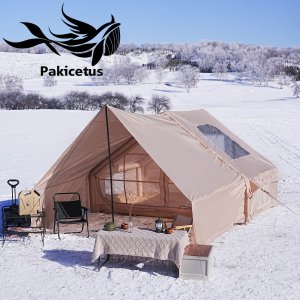
There is something special about waking up in nature.
The first light coming through the trees.
The sound of birds before the campsite gets busy.
The feeling of stepping outside and realizing you are far away from everyday routines.
Camping gives us the chance to reconnect with the environment—but it also comes with a responsibility.
Every campsite we visit leaves some kind of impact.
The good news is that sustainable camping doesn’t require extreme changes.
Small, thoughtful choices can help protect the outdoor spaces we love while making camping even more enjoyable.
Choose Durable Camping Equipment
One of the most effective green camping practices is investing in equipment that lasts.
Outdoor gear is designed to handle challenging environments, but lower-quality products often need to be replaced more frequently.
Choosing durable camping equipment means:
- Less waste
- Fewer replacements
- Better long-term value
- More reliable adventures
A well-made tent can support years of outdoor experiences.
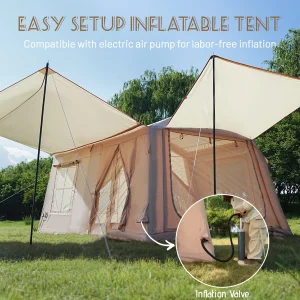
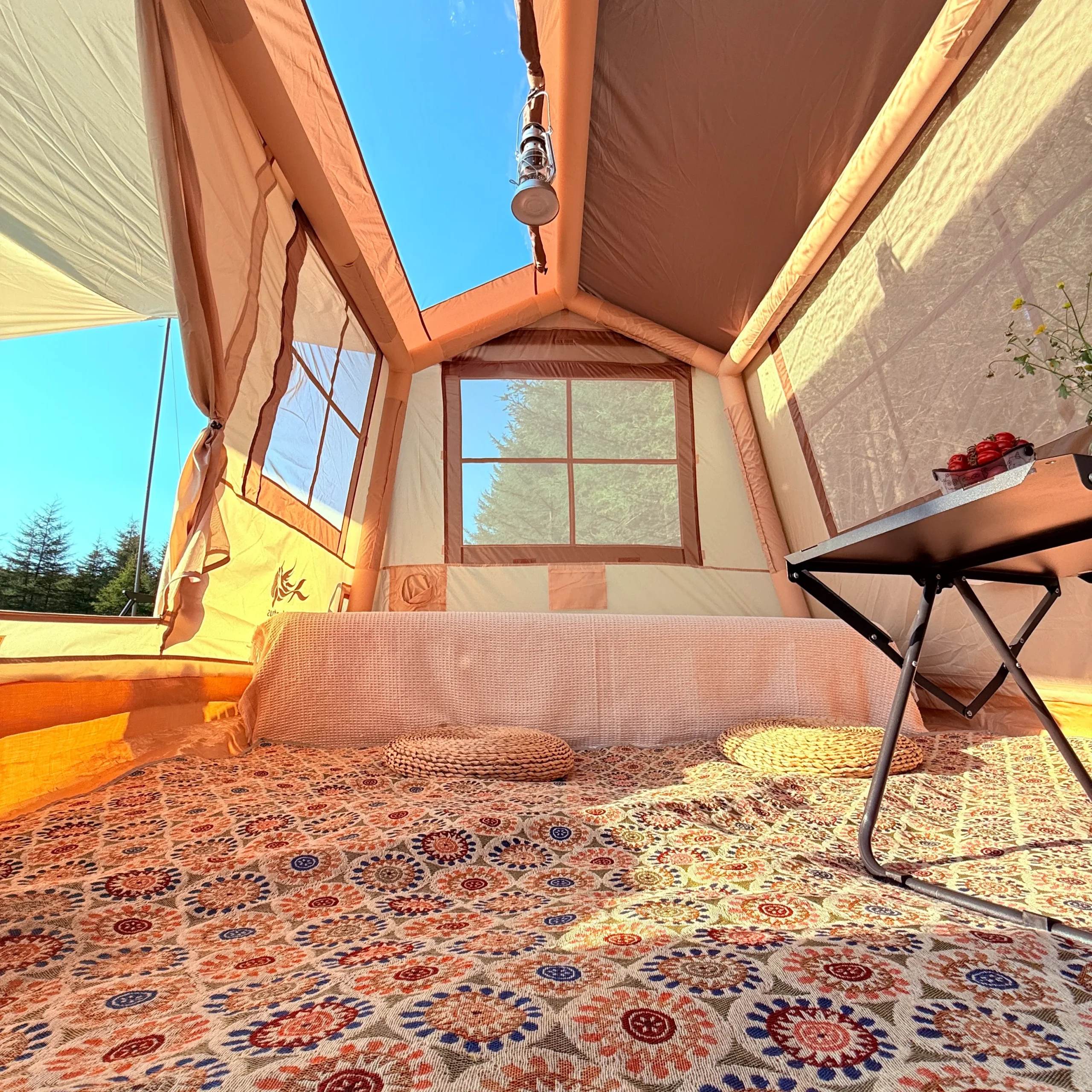
For frequent campers, durable shelters such as #inflatable tents can be a practical option because they provide comfort, reusable performance, and reliable protection across many trips.
Reduce Single-Use Camping Waste
Many camping trips create unnecessary waste without people realizing it.
Disposable plates.
Plastic bottles.
Single-use packaging.
Making a few simple swaps can significantly reduce your impact.
Consider bringing:
- Reusable water bottles
- Refillable containers
- Cloth towels
- Reusable cookware
- Rechargeable batteries
These items may seem small, but they become powerful habits when used on every camping trip.
Pack Smarter and Avoid Overconsumption
A common camping mistake is bringing too much.
Extra food.
Unused equipment.
Items bought for one specific trip.
Before packing, ask yourself:
“Will I actually use this?”
A lighter and more intentional packing approach reduces waste and also makes your camping experience easier.
Less equipment means faster setup, simpler organization, and more time enjoying nature.
Respect Natural Landscapes
Beautiful outdoor areas often take decades or even centuries to develop.
Protecting them requires careful decisions from every visitor.
When camping:
- Stay on established trails
- Avoid damaging plants
- Use existing campsites when possible
- Do not disturb natural features
Leaving an area unchanged allows future campers to experience the same beauty.
Use Energy More Efficiently
Modern camping often includes technology.
Phones.
Cameras.
Portable power stations.
Lighting.
Sustainable camping does not mean avoiding technology completely.
It means using resources wisely.
Simple habits include:
- Choosing LED lighting
- Turning off unused devices
- Using rechargeable batteries
- Considering solar charging options
Small energy-saving choices add up over time.
Reduce Your Impact Around Water
Water sources are some of the most sensitive areas in nature.
When camping near lakes, rivers, or streams:
- Avoid polluting water
- Use biodegradable products when appropriate
- Keep waste away from water sources
- Follow local regulations
Clean water is essential for wildlife, ecosystems, and future outdoor adventures.
Make Food Preparation More Sustainable
Camping meals can be both simple and environmentally friendly.
Plan meals before leaving home.
Use reusable storage containers.
Avoid bringing excessive packaging.
Cooking outdoors is one of the most enjoyable parts of camping, and a thoughtful approach can make it better for the environment too.
Teach Sustainable Habits to Others
One of the best ways to protect nature is sharing responsible camping habits.
Families can teach children:
- Why wildlife should be respected
- Why trash should be packed out
- Why natural areas should be protected
Small lessons during camping trips can create lifelong outdoor values.
Final Thoughts
Green camping practices are not about changing the way you enjoy the outdoors.
They are about becoming more aware of how your choices affect the places you visit.
Choose durable gear.
Reduce waste.
Respect nature.
Leave campsites better than you found them.
Because the best camping experiences are not only about enjoying the outdoors—they are about helping preserve it.
#green camping practices #sustainable camping #eco friendly camping #green camping tips #responsible camping #inflatable tents #camping gear #outdoor lifestyle #family camping #camping tips #nature conservation #sustainable outdoor living